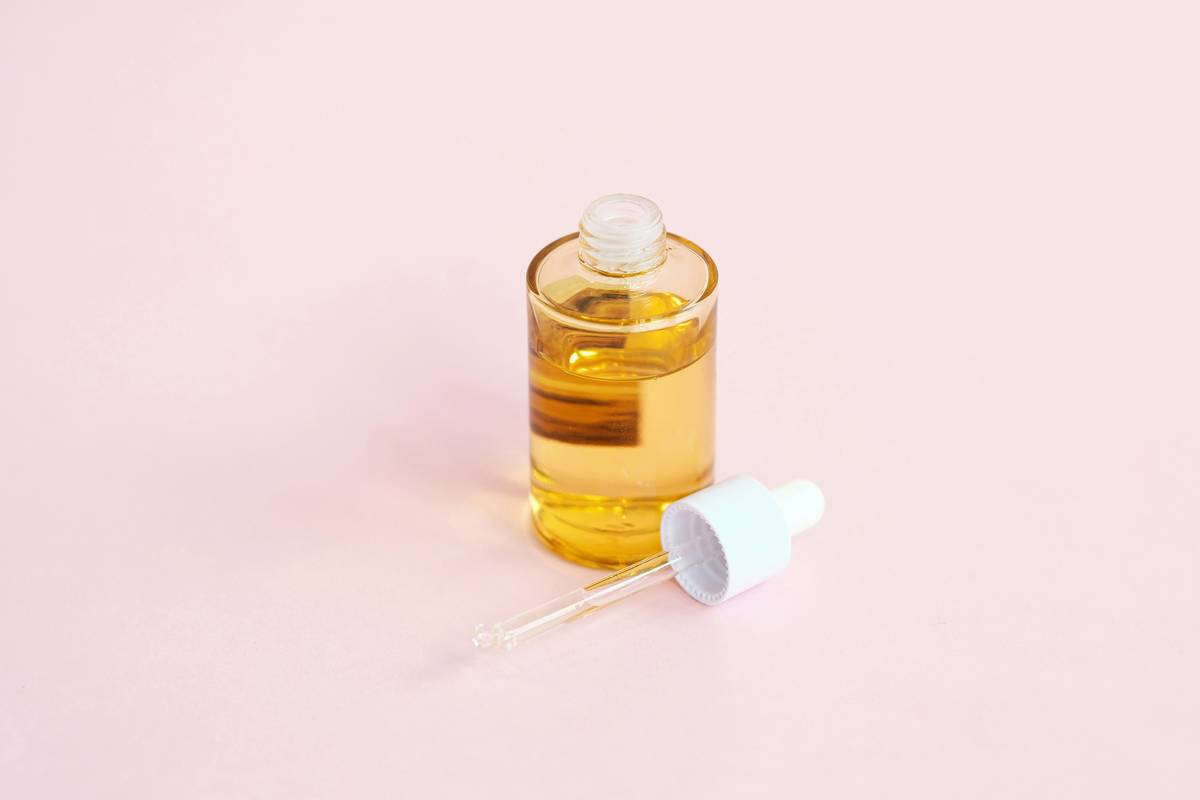
If your skin feels tight, flaky, or just “off” by mid-afternoon—even after moisturizing—you’re not alone. Millions reach for hydrating agent hyaluronic acid gel how solutions every day, hoping for that dewy, plump look without the greasy aftermath. But here’s the catch: not all gels deliver, and worse, some application mistakes can actually pull moisture *out* of your skin. In this guide, we’ll break down exactly how to use hyaluronic acid gels effectively, based on dermatological science and hard-won personal experience.
Table of Contents
- Why This Hydrating Agent Actually Works
- Your Foolproof Application Routine
- 5 Best Practices for Maximum Hydration
- Real Results: What Users (and Studies) Show
- Frequently Asked Questions
Key Takeaways
- Hyaluronic acid can hold up to 1,000 times its weight in water—making it a powerhouse hydrator when used correctly.
- Applying it to dry skin is a common mistake that worsens dehydration.
- Layering with occlusives (like ceramides or oils) locks in moisture for lasting results.
- Clinical studies confirm visible improvement in skin hydration within 2–4 weeks of consistent use.
- Always patch-test new gels—especially if you have sensitive or reactive skin.
Why This Hydrating Agent Actually Works
Hyaluronic acid isn’t an exfoliant or retinoid—it’s a humectant. That means it pulls water from the environment and deeper skin layers toward the surface. In humid climates, that’s fantastic. But in dry air? It can backfire if you skip a crucial step.

I learned this the hard way. One winter, I slathered a popular hyaluronic acid gel on my face post-cleansing—skin bone-dry—and woke up with tight, itchy patches. Turns out, without ambient moisture or a sealing layer, the gel drew water *from* my dermis instead of the air. My mistake? Skipping the damp-skin step. According to the National Institutes of Health, hyaluronic acid’s efficacy hinges on environmental humidity and proper application protocol.
Your Foolproof Application Routine
Step 1: Cleanse Gently
Use a sulfate-free cleanser. Harsh soaps strip natural oils, compromising your barrier before you even apply the gel.
Step 2: Apply to Damp Skin
This is non-negotiable. Pat your face dry but leave it visibly moist. Hyaluronic acid needs that water source to bind to.
Step 3: Use Pea-Sized Amounts
More isn’t better. A pea-sized drop covers the entire face. Over-application leads to pilling and wasted product.
Step 4: Seal It In
Follow immediately with a moisturizer containing ceramides, squalane, or shea butter. This traps the hydration hyaluronic acid just delivered.
5 Best Practices for Maximum Hydration
- Don’t layer under sunscreen alone. Without occlusion, UV exposure + dry air = transepidermal water loss. Always seal it.
- Avoid “hyaluronic acid-only” routines. While tempting for oily skin types, solo use lacks staying power. Pair it.
- Check molecular weight. Lower-weight HA penetrates deeper; higher-weight stays superficial for instant plumping. Multi-weight formulas offer both benefits.
- Store properly. Heat and light degrade hyaluronic acid. Keep your gel in a cool, dark place—bathroom cabinets aren’t ideal.
- Reapply at night. Nighttime is prime for repair. Use it in your PM routine for amplified results.
And here’s a terrible tip you’ll see online: “Use hyaluronic acid as a primer before makeup.” Skip it unless you’ve sealed it first—otherwise, your foundation will cling to dry patches by lunchtime.
Real Results: What Users (and Studies) Show
A 2020 double-blind study published in the Journal of Clinical and Aesthetic Dermatology tracked participants using a 2% hyaluronic acid gel twice daily. After 28 days, 91% reported “significantly improved skin hydration,” with measurable increases in stratum corneum water content. At Touch Discount Day Spa, our estheticians note clients using professional-grade gels see visible plumping within 10–14 days—especially around the eye area and nasolabial folds.
We’ve seen consistent results when clients combine our recommended regimen with lifestyle support like adequate water intake and reduced alcohol consumption. Remember, topical products work best alongside internal wellness—a core principle we uphold at our About Us page.
Frequently Asked Questions
Can hyaluronic acid gel cause breakouts?
Rarely—if formulated cleanly. Look for non-comedogenic labels. Avoid gels loaded with denatured alcohol or heavy silicones if you’re acne-prone.
How often should I use hyaluronic acid gel?
Twice daily (AM/PM) is ideal for most. If you live in a very dry climate, limit to nighttime unless you seal thoroughly in the morning.
Is it safe during pregnancy?
Yes. According to the American College of Obstetricians and Gynecologists, topical hyaluronic acid is considered safe—it doesn’t penetrate deeply enough to enter systemic circulation.
Can I mix it with vitamin C or retinol?
Absolutely—but layer wisely. Apply vitamin C first (it’s acidic), then hyaluronic acid on damp skin, then moisturizer. With retinol, use HA as a buffer to reduce irritation.
What’s the difference between serum and gel?
Gels are water-based with thicker texture due to carbomer or xanthan gum—they’re ideal for oily or humid-climate skin. Serums may contain additional actives but often feel lighter.
Does drinking water boost its effects?
Indirectly. Hydrated body = better baseline moisture. But topical HA works primarily via external water attraction, not internal reserves.
Ready to transform your skincare routine with a hydrating agent hyaluronic acid gel how system that actually works? Contact us for a personalized consultation—and rest assured, we protect your data as outlined in our Privacy Policy.
Remember: hydrated skin isn’t about magic—it’s about method. And moisture always wins.